



Technical Studies and Reports
Geological, hydrogeological, hydrological, environmental, natural hazard and archaeological studies to understand site conditions and support sound decisions.
Each report addresses a technical question: what is happening at the site, how it may affect the project, and what information is needed before moving forward.
The right study starts with understanding the problem
Not every site or project requires the same investigations. A technical report adds value when it answers a specific need.
Data, interpretation and guidance for the next step
A technical report may combine background information, surveys, field observations, measurements, tests and specialized analyses. Its scope depends on the question the project needs to answer.
The findings help identify site conditions, assess options, recognize uncertainties and provide a basis for technical decisions or institutional procedures.
Explore our studies by technical discipline
Six fields of investigation and 31 specialized pages. Go directly to the study that addresses the condition you need to investigate.
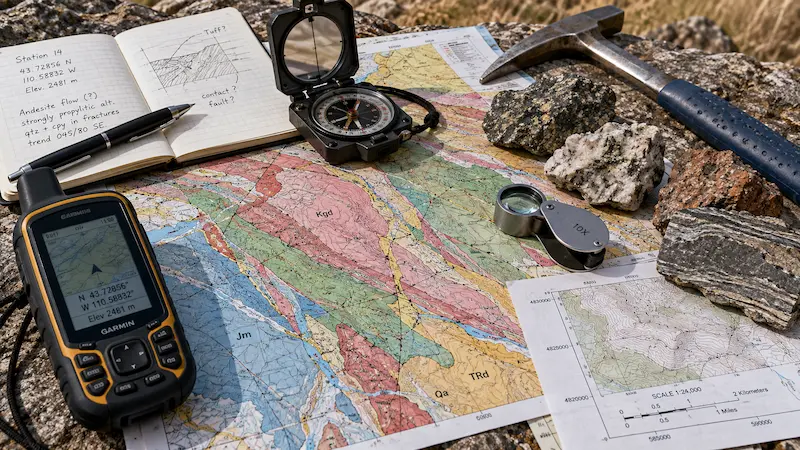
Geology, Soils and Geotechnics
We investigate ground characteristics, material strength, geological conditions and how the subsurface responds to proposed construction.
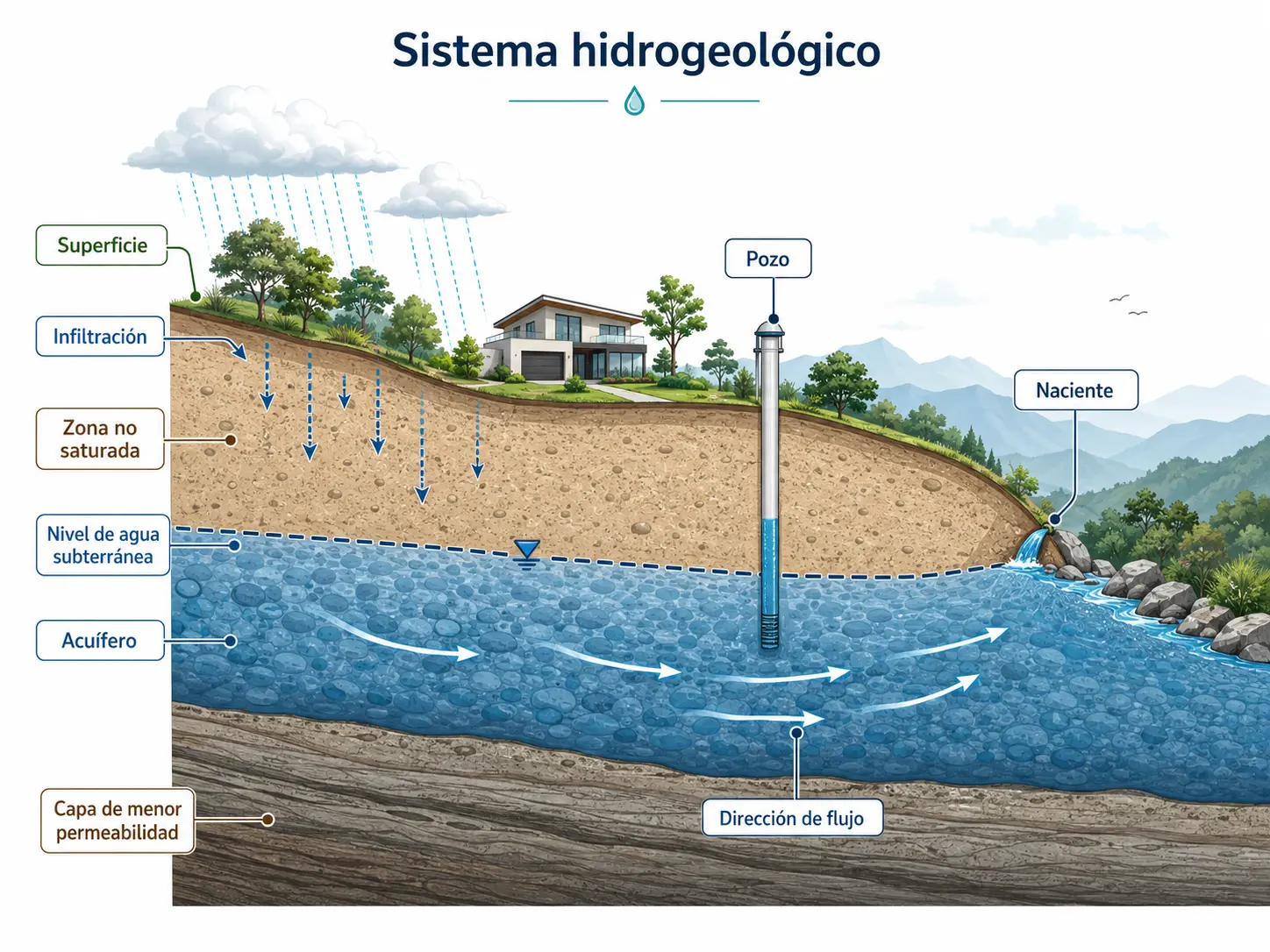
Hydrogeology
We assess aquifer behavior, groundwater vulnerability, interactions among water intakes, and source protection conditions.
- Hydrogeological Study
- Aquifer Vulnerability Assessment
- Contaminant Transport Assessment
- Well Interference Assessment
- Operational Protection Radius (ROP) Reduction
- Groundwater Flow Tube and Capture Zone Analysis
- Saltwater Intrusion Risk
- Well and Spring Protection Zones
- Water Balance Assessment
- Aquifer and Water Intake Studies
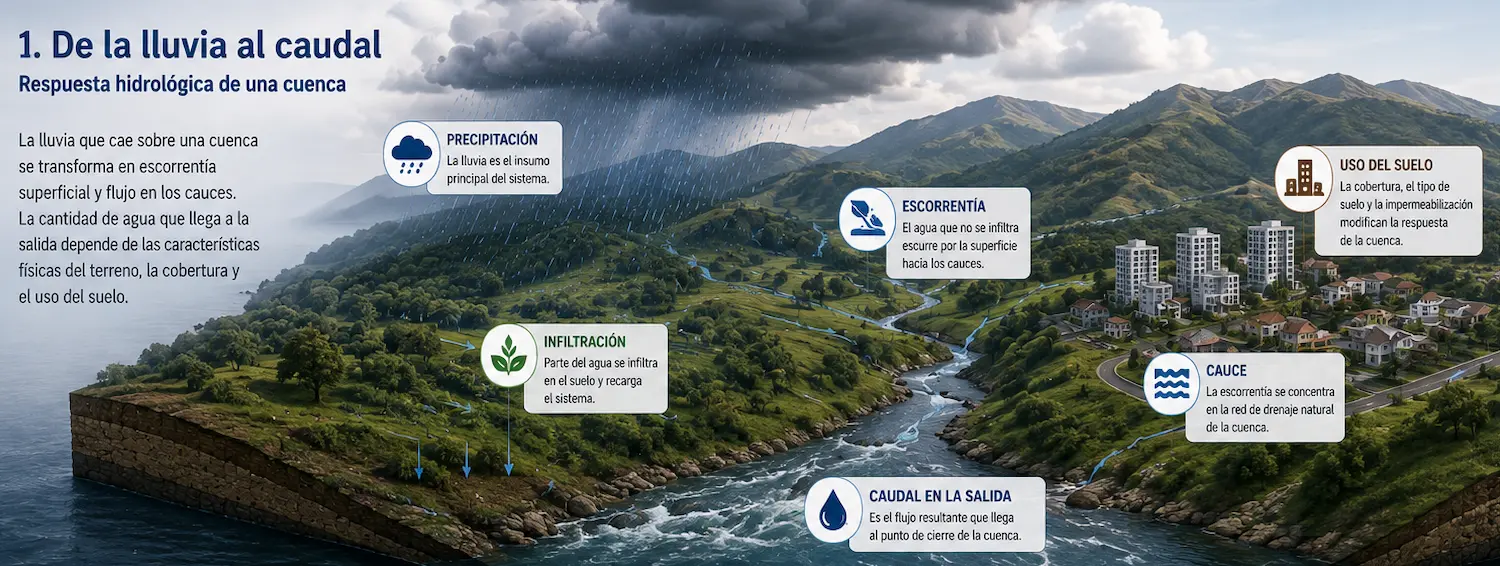
Water Resources
We assess rainfall, runoff, watercourses, water intakes, flows and infiltration to understand water behavior and availability.
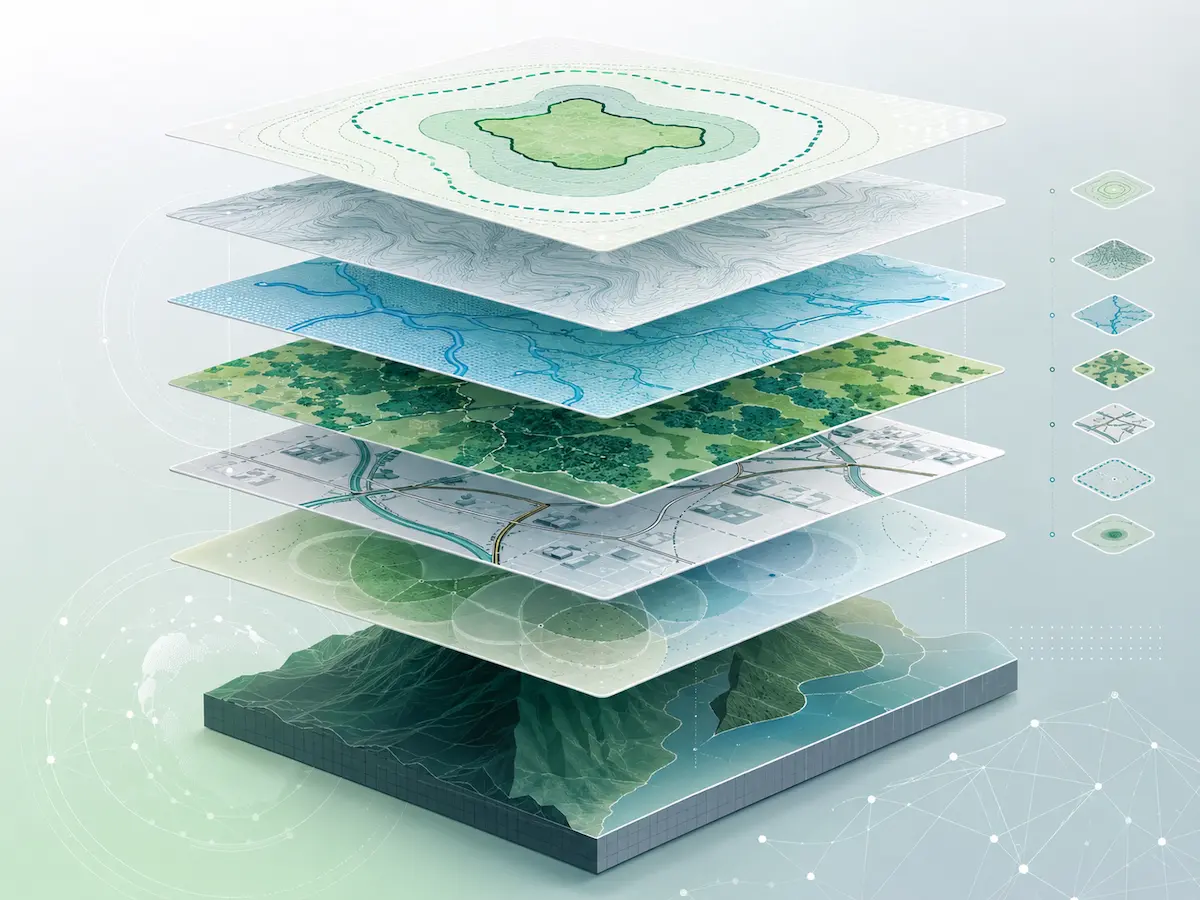
Environmental Assessment
We prepare investigations and management plans to assess impacts and structure environmental measures according to project needs.
Natural Hazards
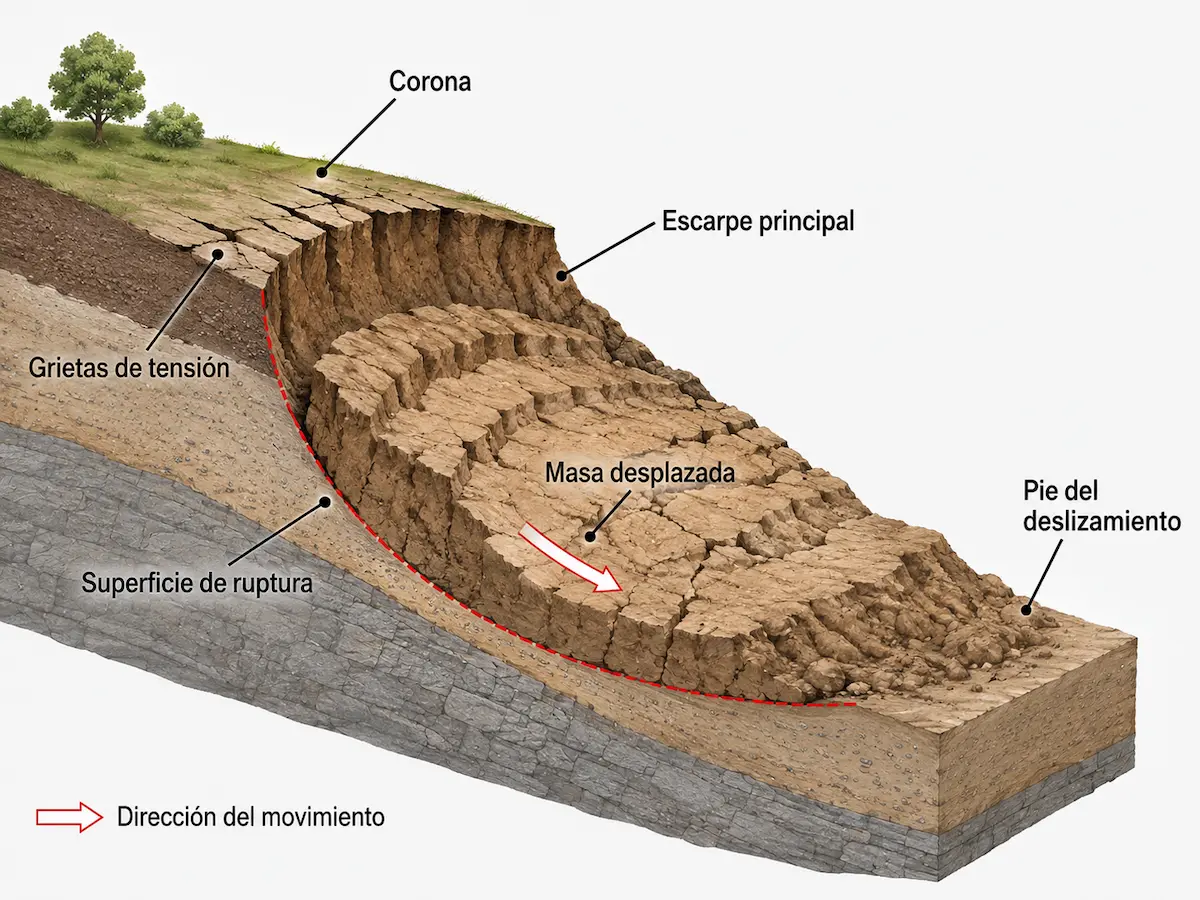
We investigate mass movement, faulting and flooding hazards, considering site-specific conditions and proposed works.
Archaeology and Cultural Heritage
We identify and assess archaeological conditions and carry out the technical work that may be required at different project stages.
How a technical investigation works
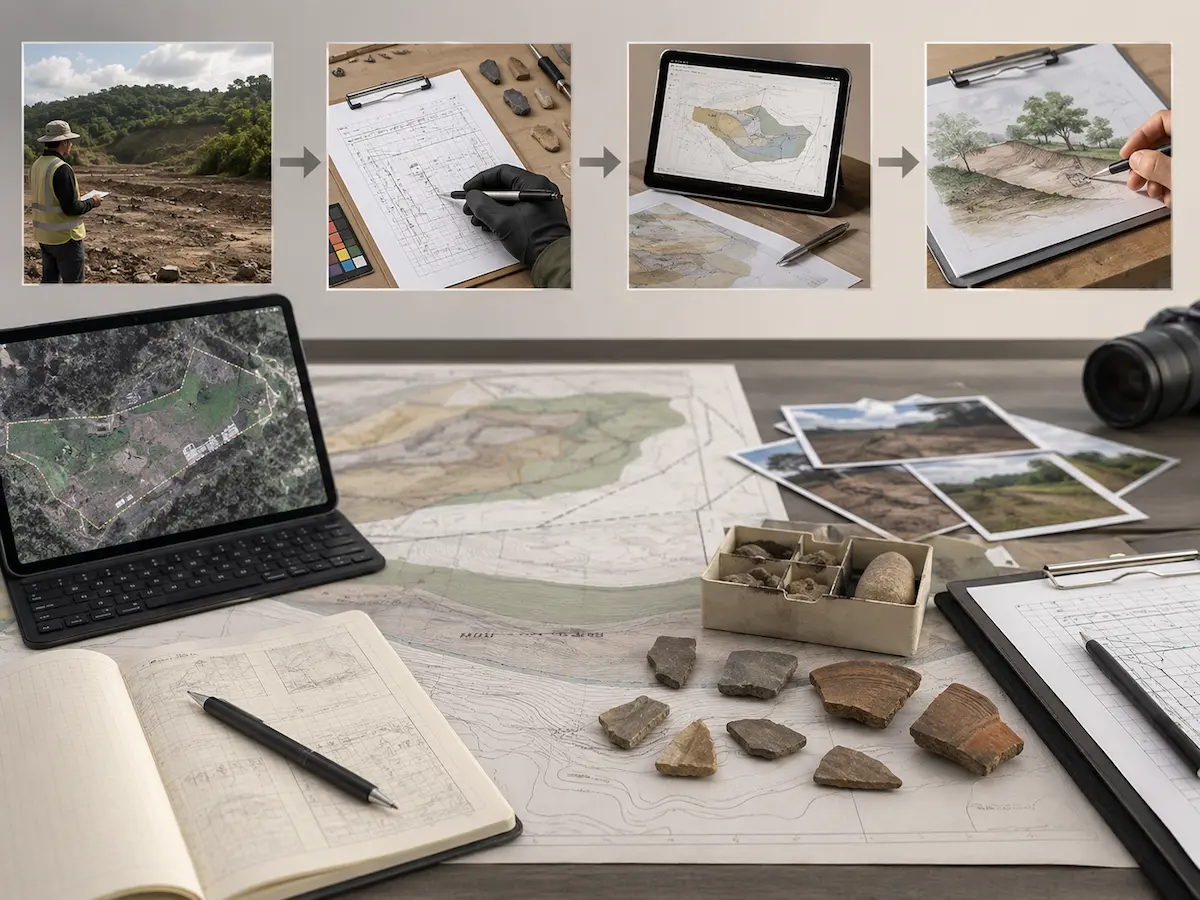
Methods vary by discipline, but the process follows a consistent approach: define the question, gather evidence, interpret it and present useful conclusions.
Define the objective
We identify the condition to investigate, the decision the findings must support, and the required scope.
Gather evidence
We combine existing information with observations, measurements, tests or analyses, as appropriate.
Interpret the findings
We relate results to the site context and clearly explain the scope and limitations.
A report should explain why the investigation was undertaken
Beyond documenting methods and data, it should explain what the findings mean for the project and identify any aspects requiring further investigation or verification.
What kind of report does your project need?
You do not need to know the technical name of the study at the outset. Identify the condition you need to understand and explore the corresponding discipline.
Ground and subsurface
Geology, soils, material strength and drilling.
Wells and aquifers
Groundwater behavior, source protection and vulnerability.
Surface water and flows
Hydrology, hydraulics, flow measurements, pumping and infiltration.
Environmental impacts and management
Environmental investigation and planning of management measures.
Natural hazards
Flooding, slopes, mass movements and geological faults.
Archaeological heritage
Inspections, assessments, monitoring and archaeological salvage.
Technical reports and regulatory procedures serve different purposes
Investigation findings may support design and permitting, but do not themselves replace the relevant procedures or authorizations.
Investigate and provide evidence
Describes and interprets geological, environmental, hydrological, archaeological or hazard conditions, according to its defined scope.
Manage the application process
Covers consultations, applications, permits or administrative assessments before the competent authorities. One or more supporting studies may be required.
Need help determining which study your project requires?
Tell us the location, project type and condition you need to assess. With this information, we can help define the scope of the technical investigation.