



Archaeology and Cultural Heritage for Projects in Costa Rica
We integrate preventive archaeology into project development to identify, assess, monitor and manage archaeological conditions before and during land disturbance.
Incorporate archaeology before it becomes an uncertainty for your project
Preventive archaeology helps identify site conditions, investigate evidence when necessary and coordinate specialized activities before or during earthworks.
Identify
We review the site and its background to identify archaeological evidence or conditions that should be considered at an early stage.
Investigate Further
An assessment helps delineate, characterize and interpret archaeological conditions requiring more detailed investigation.
Manage
Monitoring and specialized archaeological activities can be coordinated with earthworks and the project's actual schedule.
Four levels of intervention depending on project conditions
Each service addresses a different stage and need. The appropriate scope depends on what is already known about the site and the current project stage.
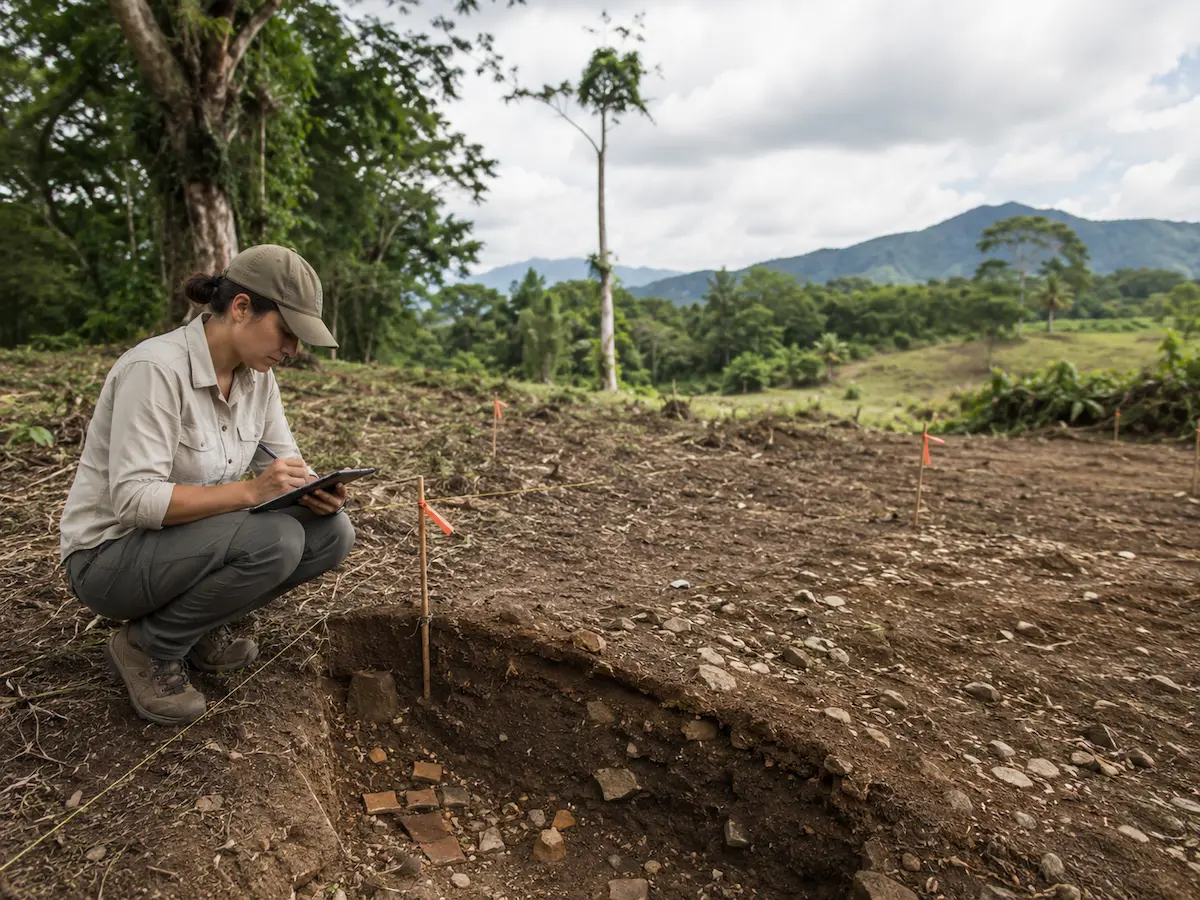
Rapid Archaeological Assessment
Initial assessment of the Project Area through background review, field inspection, documentation and professional interpretation.
When Is It Appropriate?
When an initial understanding of the site's archaeological conditions is still needed.
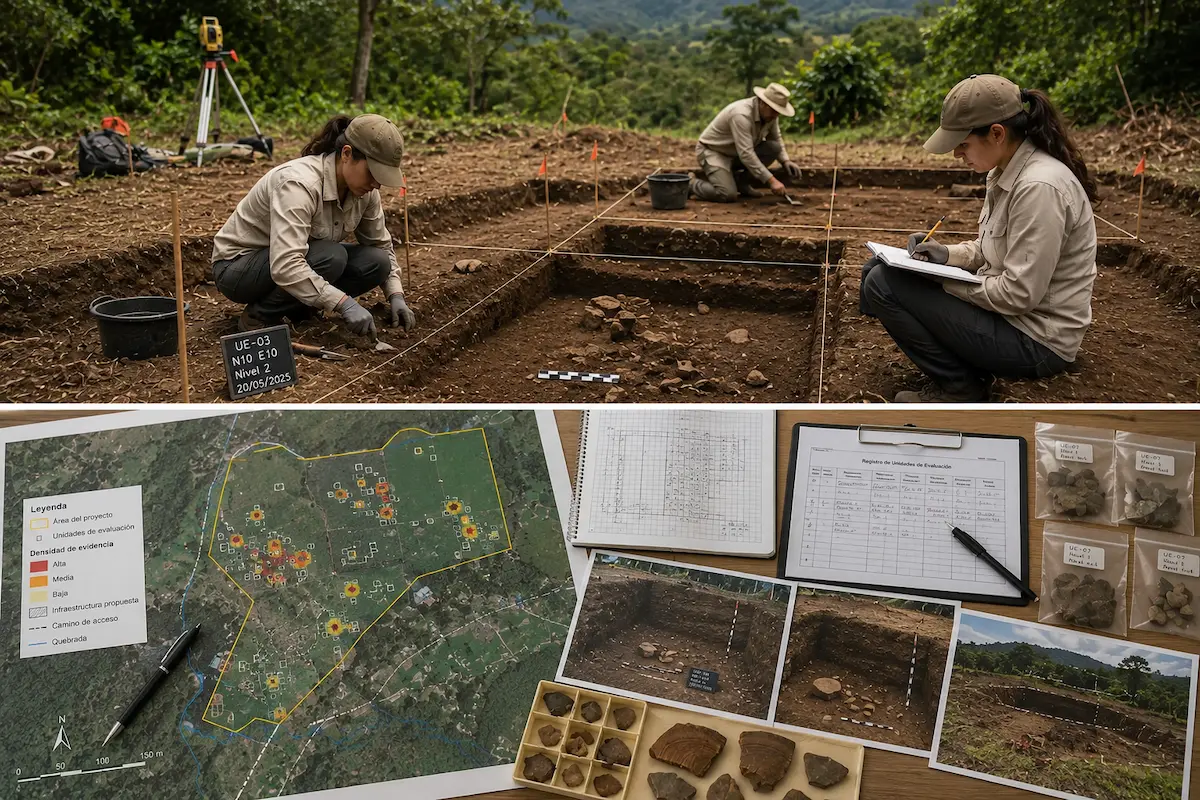
Archaeological Assessment
More detailed investigation to delineate, characterize and interpret previously identified archaeological evidence.
When Is It Appropriate?
When an inspection or previous records indicate evidence that requires further investigation.
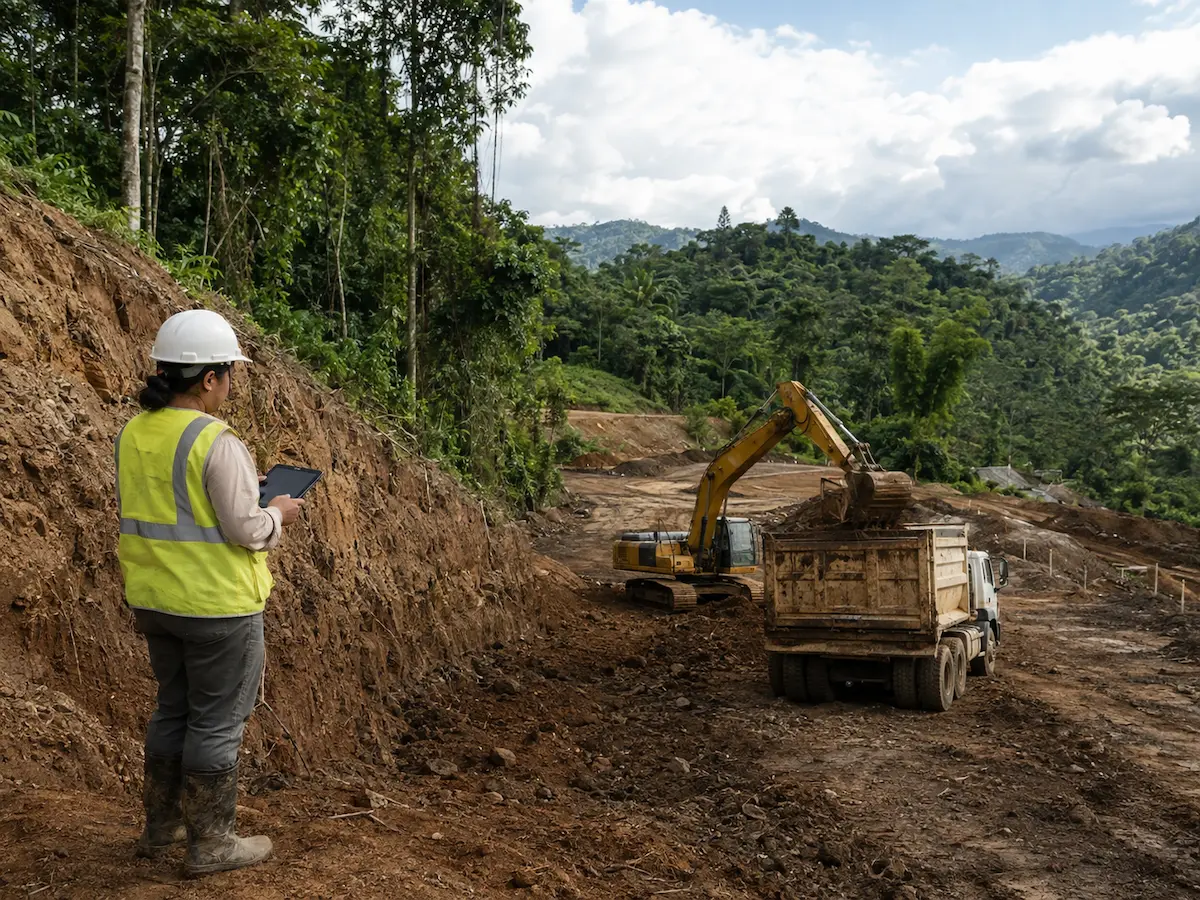
Archaeological Monitoring
Professional monitoring of excavations, cuts and other earthworks in areas requiring archaeological observation.
When Is It Appropriate?
When particular areas or activities must be observed while the project carries out earthworks.
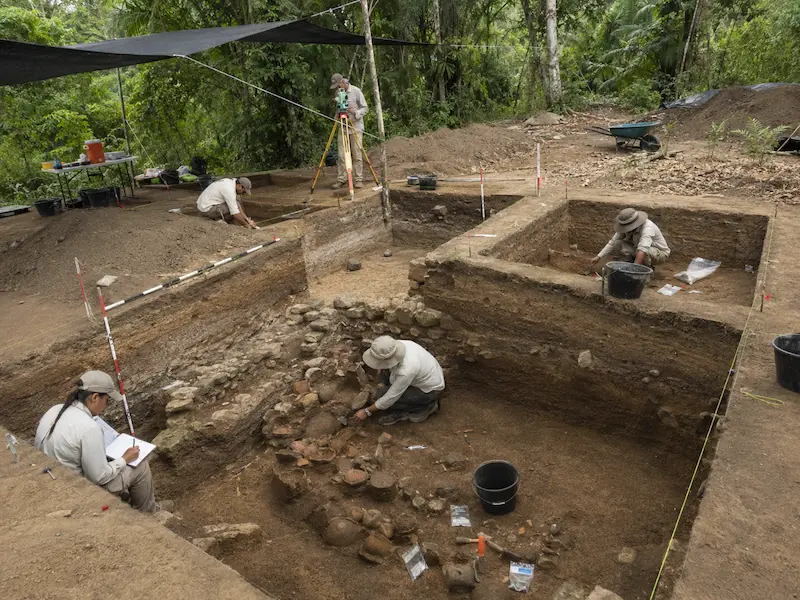
Archaeological Salvage
Controlled recovery and documentation of archaeological evidence in designated salvage areas before they are disturbed.
When Is It Appropriate?
When a previous investigation establishes that an area requires archaeological recovery before project works affect it.
You do not need to know in advance which archaeological study your project requires
We can review the location, project status, available background information and any previous archaeological studies to identify the appropriate starting point.
Each stage provides information for deciding what comes next
Projects do not necessarily go through every stage. The results of each study help determine which subsequent action is appropriate.
Rapid Assessment
We inspect the site and identify initial archaeological conditions.
Assessment
We investigate further when evidence needs delineation, characterization and interpretation.
Technical Decision
Findings help define the areas and actions required next.
Monitoring During Earthworks
When the recommendation is to maintain archaeological observation during certain construction activities.
Salvage in Specific Areas
When designated areas require recovery and documentation before the planned project activities.
Archaeological information must be connected to the actual project
We do not assess archaeology in isolation. We relate the findings to the Project Area, planned works, areas of disturbance and earthworks schedule.
Mapping and Georeferencing
We locate evidence, investigation units, monitoring areas or salvage areas within the project's spatial context.
Relationship to Planned Works
We compare archaeological conditions with proposed roads, buildings, excavations, pipelines and other infrastructure.
Activity Coordination
When appropriate, we coordinate archaeological work with specific areas and phases of earthworks.
A technical field with specific institutional procedures
Archaeological studies and activities operate within Costa Rica's legal framework for protecting archaeological heritage and the jurisdiction of the relevant institutions.

National Museum of Costa Rica and National Archaeological Commission
Depending on the type and scope of work, archaeology for development projects may require accredited professionals, specific procedures, authorizations and institutional oversight.
When an archaeological requirement arises from an environmental assessment, the archaeological component may also be linked to the project file before SETENA.
Understanding archaeological conditions early makes planning easier
Anticipating archaeological needs allows their results to inform project design, schedules and decision-making rather than addressing them only after land disturbance has begun.
We first understand the project, then define the archaeological scope
Every case begins with different conditions. We review available information before determining the appropriate archaeological study or intervention.
Locate the Project
We review the site, plans, proposed works and current stage of development.
Review Background Information
We analyze previous studies and available archaeological information.
Define the Service
We determine the type of study or action appropriate to the case.
Coordinate the Work
We organize fieldwork, procedures and coordination with project needs.
Document Findings
We integrate observations, records, photographs and maps.
Recommend the Next Step
The results help determine subsequent actions when needed.
Archaeology for Development Projects
How do I know which archaeological study my project needs?
It depends on the project's status, available background information and any previous investigations. We can review the case before defining the scope.
Does every project go through all four stages?
No. Each stage generates information that helps determine whether further action is necessary.
Should archaeology be reviewed before earthworks begin?
When the project requires an archaeological assessment, completing it in advance makes it easier to incorporate findings into the design and work schedule.
What happens if archaeological evidence is found during construction?
The area should be handled with care, further direct disturbance should be avoided, and the relevant professional and institutional procedures should be followed.
Can Geo Costa Rica integrate archaeology with project mapping?
Yes. We can connect archaeological observations and activities to the Project Area, proposed infrastructure and other available spatial information.
What information is needed to get started?
The site's location, property survey plan, project description, available design and any previous archaeological studies provide a useful starting point.
Not Sure What Archaeological Work Your Project Requires?
We can review the location, planned works and available background information to identify the appropriate starting point before land disturbance begins.
Let's Review Your Project
Send us the location, survey plan, project description and any available archaeological information.